 By Ava Steffens
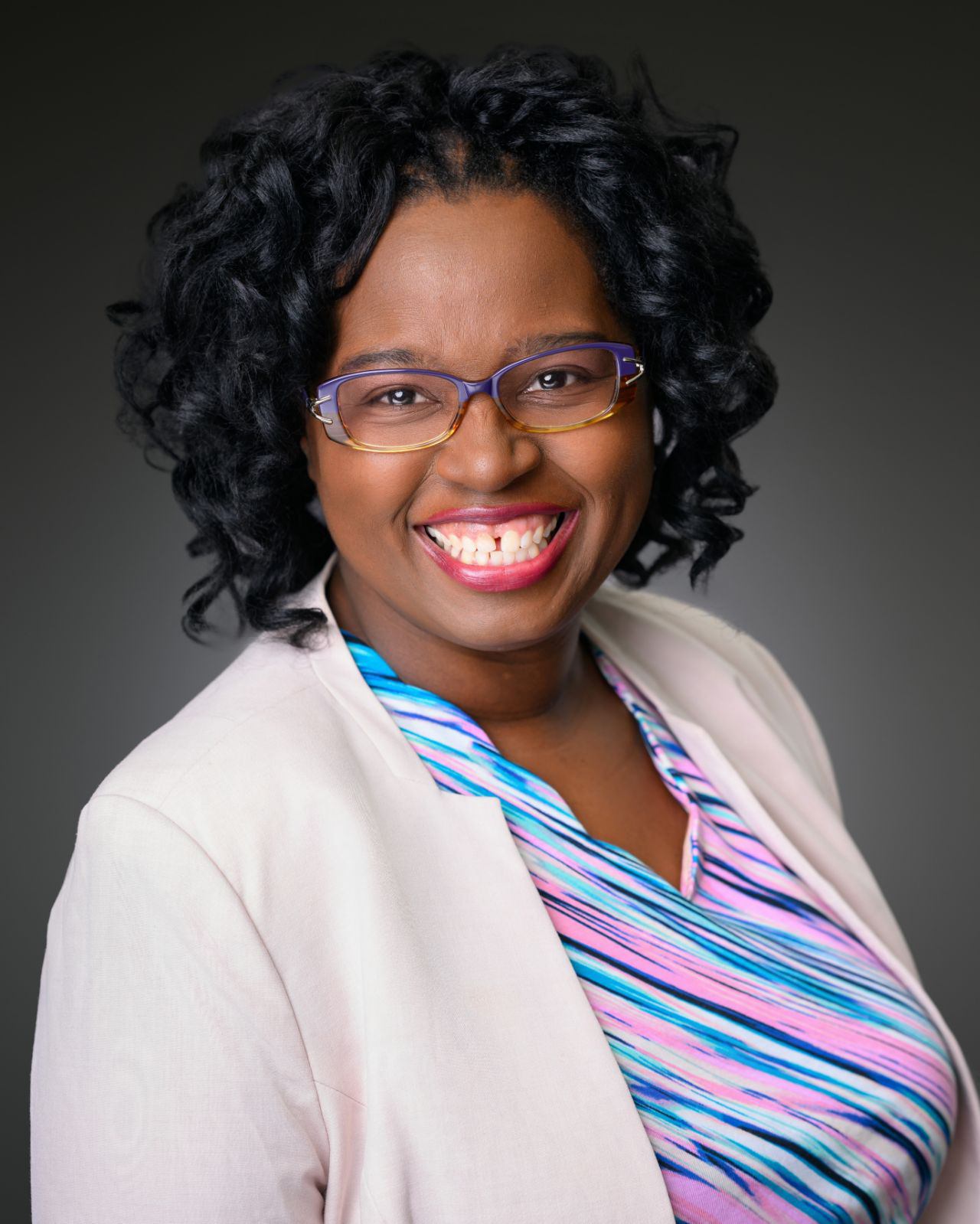
For Angela Gary Miller, the Clemens Scholarship for Women Lawyers helped make the difference between continuing her education at Southern Illinois University Carbondale and leaving law school because of financial challenges.
Now a second-year student at Simmons Law School, Miller is pursuing her goal of expanding access to legal services in rural and underserved communities.
At 52, Miller is a nontraditional student who returned to school after raising four daughters, earning bachelor’s and master’s degrees in human resources and building her own human resources consulting business.
Originally from Charleston, Missouri, Miller chose Simmons Law School because of its proximity to her hometown, affordability and welcoming environment.
“The vibe at SIU was just right,” Miller said. “The most distinguished thing was the professionalism of all the law school personnel. It was every person who I encountered, too, from the student who gave me the tour, to admissions director Layla Murphy.”
Although Miller describes SIU as affordable, financing her legal education was a significant challenge. To attend law school, she closed her human resources business to focus entirely on her studies. Because she applied late, she did not receive scholarship assistance during her first year.
“The majority of my stress last year was about finances,” she said.
Miller recalled one morning when she had only a piece of bread to eat because she could not afford anything else. The financial strain left her questioning whether she could continue law school or would need to return to work.
When she received the email notifying her of the scholarship, Miller felt both relief and excitement.
“The scholarship was the difference in me returning,” Miller said.
Miller’s interest in advocacy began during her senior year of high school, when a medical misdiagnosis left her mother critically injured. Doctors initially attributed her mother’s symptoms to the flu, but she had experienced a brain aneurysm.
Her mother was left partially paralyzed with a permanent skull injury. The family wanted to seek legal help, but few legal resources were available in their hometown.
“I keep seeing these things repeated over and over again, especially in rural and minority communities,” Miller said.
She cited disparities in school discipline and unequal access to opportunities as examples of issues that continue to affect underserved communities. Limited financial resources can further restrict access to legal representation.
Those experiences helped shape Miller’s goal of bringing legal resources to rural and low-income communities, where residents often struggle to find or afford an attorney.
“Most of the time, you just need to talk to an attorney for the information,” Miller said. “We see the biggest discrepancies in poor communities.”
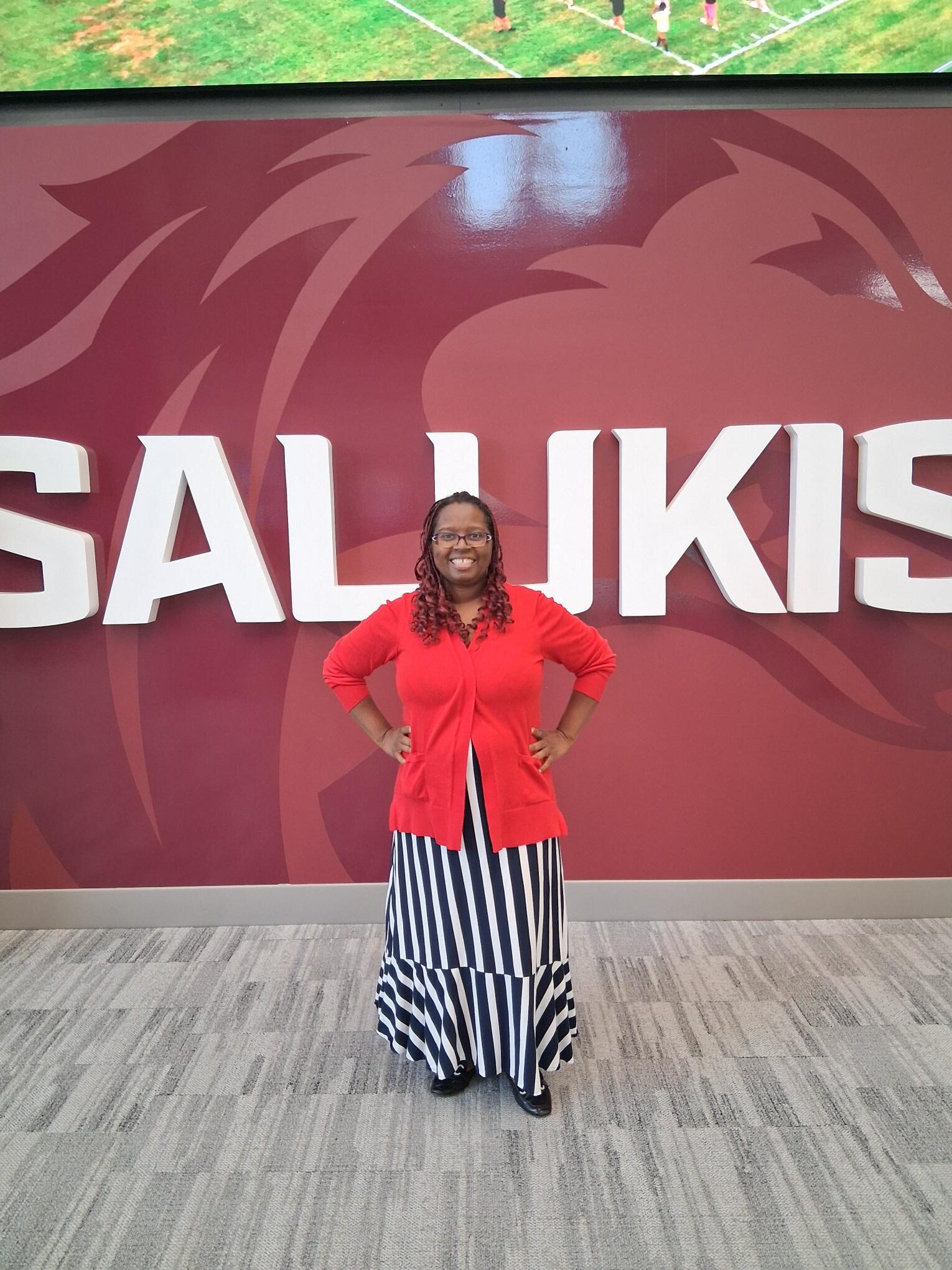 Miller hopes to serve areas that she describes as “legal deserts.” She plans to build on experience she has already gained working with legal aid organizations in Illinois and Louisiana, with an emphasis on civil rights, voting rights, housing issues and expungement clinics.
Last semester, Miller and her mother both faced health challenges. As Miller managed her own medical condition, she said her classmates supported her through a difficult time.
“While my truck was in the shop, they made sure they drove me home, which was an hour away,” she said, remembering when she received an urgent call in class about her mother, and a classmate took her back to Charleston. After she returned, they presented her with a “well-wishes” card, where many of her classmates signed and left kind notes. “They were checking in on me, and they really sat with me through a difficult time in my mother’s health.”
Professor Thomas Reichert, whom Miller called “one of the smartest human beings on the face of the earth,” also supported her through those challenges. After she attended class while experiencing symptoms, Reichert stayed afterward to help her research possible treatment options and connect her with resources.
“The faculty of the law school are just incredible human beings,” Miller said. “I don’t know how many other professors would reach out to a student like that just to make sure they’re OK.”
Those experiences reinforced what Miller values most about the Simmons Law School community.
“I think their goal is for us to succeed,” she said. “They’re not handing us anything, but they’re not making it cumbersome to achieve a goal either.”
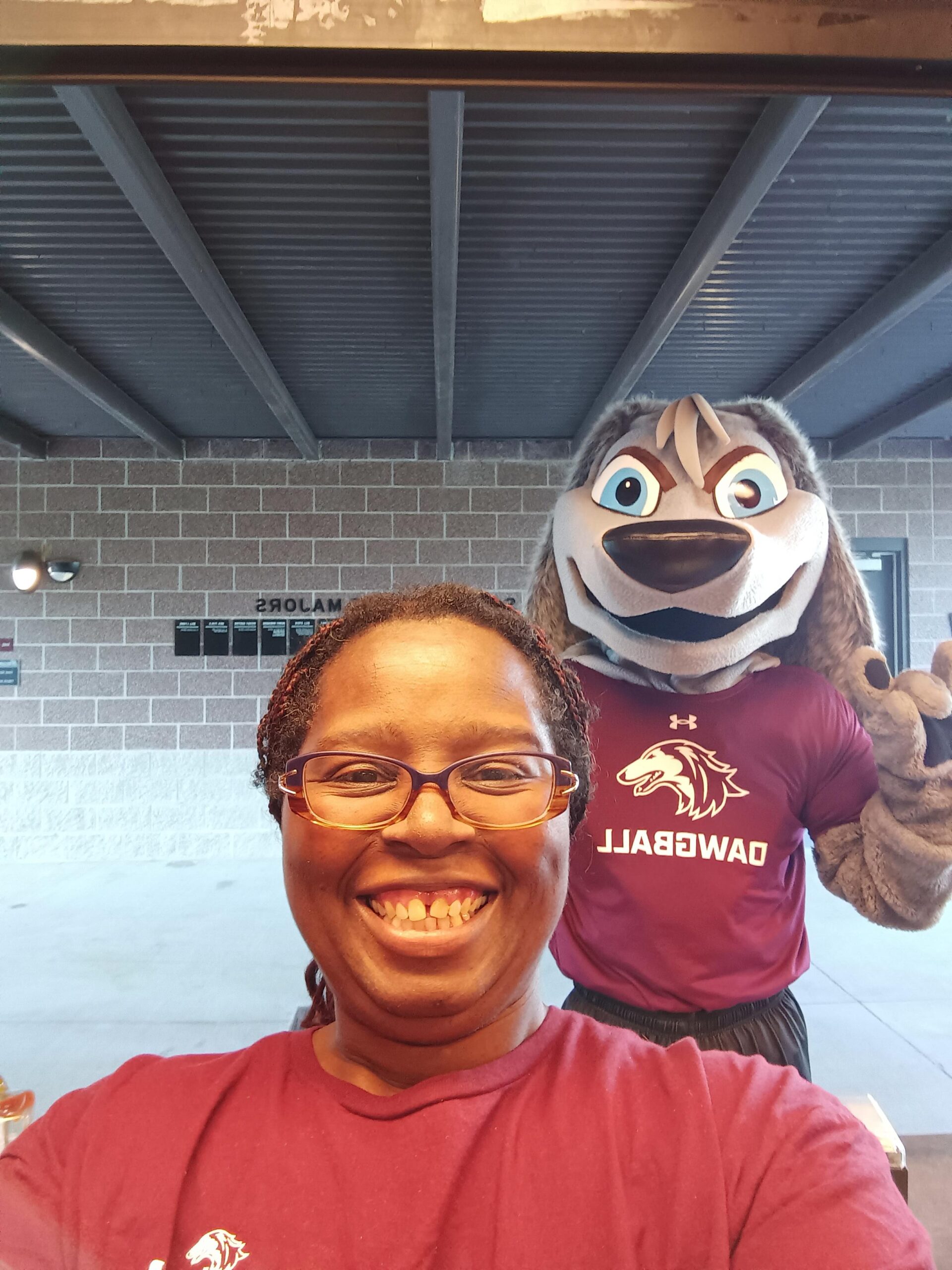
With support from the Clemens Scholarship for Women Lawyers and the SIU community, Miller is continuing her education and working toward her goal of expanding access to legal services. She hopes to begin serving rural communities near her hometown before extending that work to other underserved areas.
Receiving scholarship support has also inspired Miller to help future students one day.
“I know I’m not the only one struggling,” she said. “If I could alleviate this struggle for another person, I’m going to do that.”
Alumni Darin and Beth Boggs established the Clemens Scholarship for Women Lawyers and have supported students through several other scholarships.
Miller said the scholarship represents more than financial assistance. It is an investment in her potential and the communities she hopes to serve.
“I can’t express how grateful I am,” Miller said. “For somebody to see the potential in what I want to do and support me means the world to me.”
Scholarships such as the Clemens Scholarship for Women Lawyers advance SIU’s commitment to discovery, access and student opportunity. SIU is one of 21 universities nationwide among 4,000 institutions to hold the dual Carnegie Classification of Research 1 and Opportunity University.
For those inspired by Miller’s story, supporting scholarships through the SIU Foundation is a meaningful way to invest in future Salukis. Your contributions open pathways and help create life-changing opportunities. To make a gift, visit siuf.org/give.
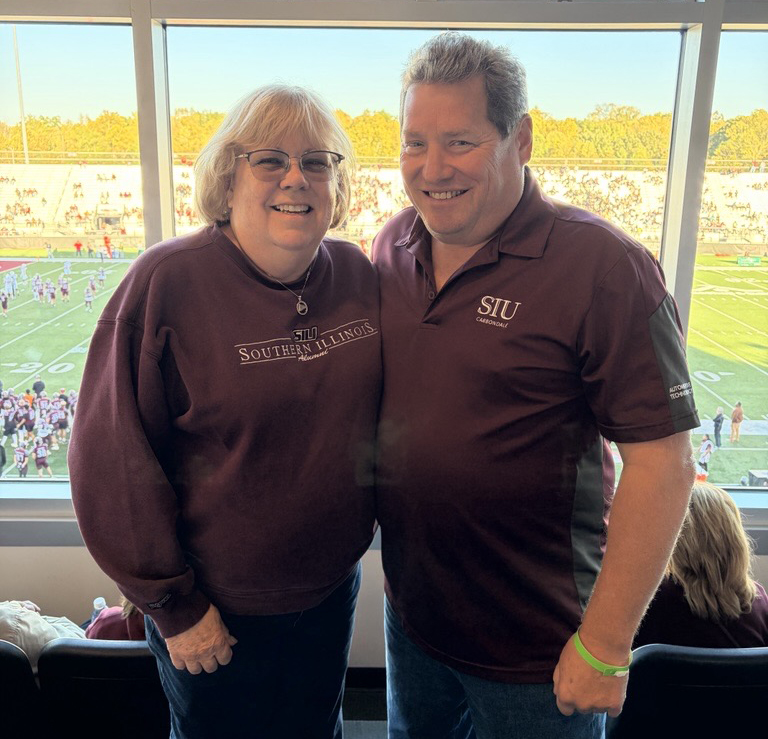
 Their beloved chocolate Labrador, Mossie Oak, had become a familiar face at Detroit-area Saluki picnics and alumni gatherings. Wearing a maroon Saluki bandana, she greeted guests, posed for photos and earned a reputation as the unofficial mascot of the community. Today, the Mossie Oak Scholarship honors her memory while supporting future Automotive Technology students.
 The Southern Illinois University Foundation’s The Impact Report has earned a 2026 Best of District V Award from the Council for Advancement and Support of Education (CASE), recognizing the program’s innovative approach to showcasing the impact of philanthropy at Southern Illinois University Carbondale.

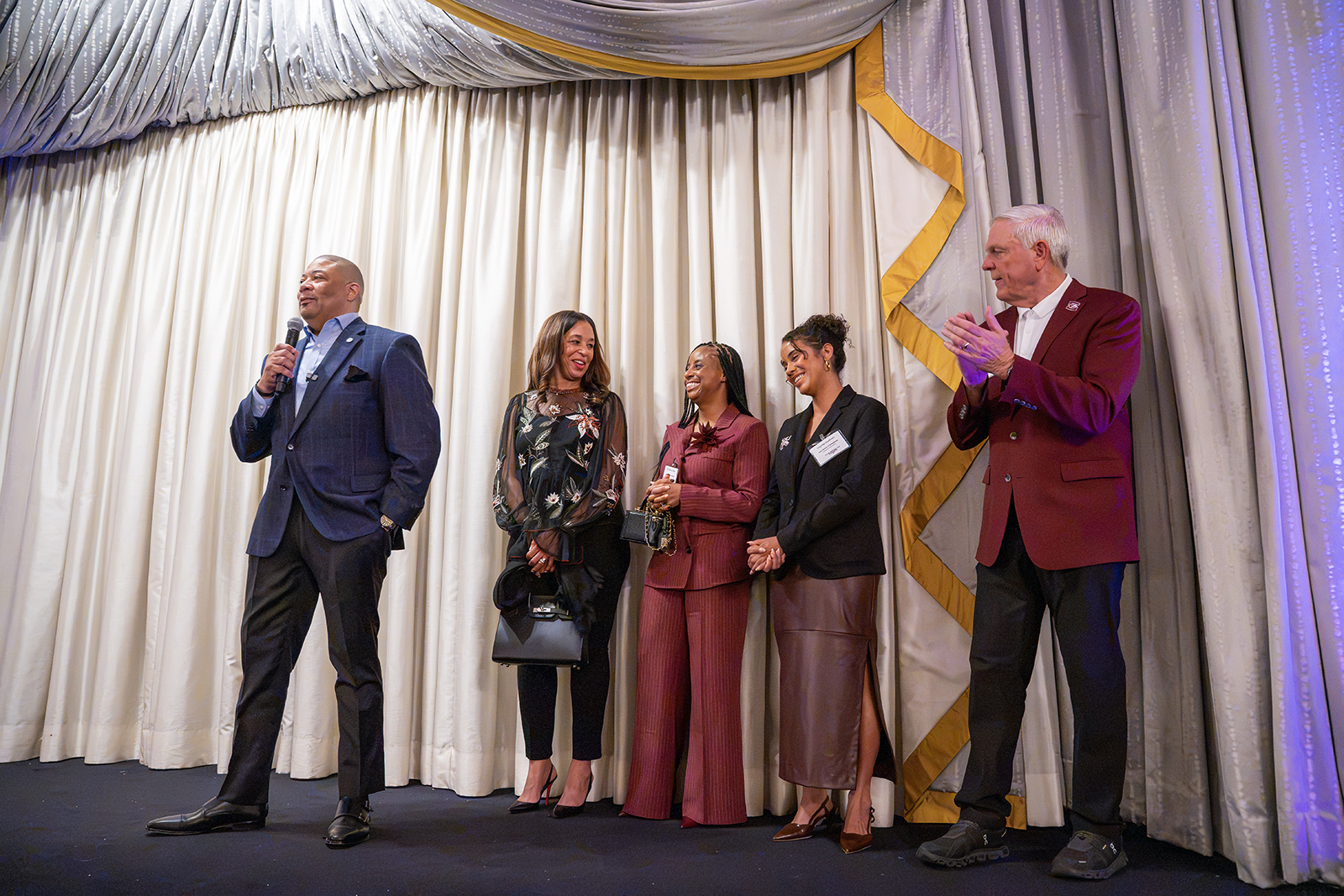
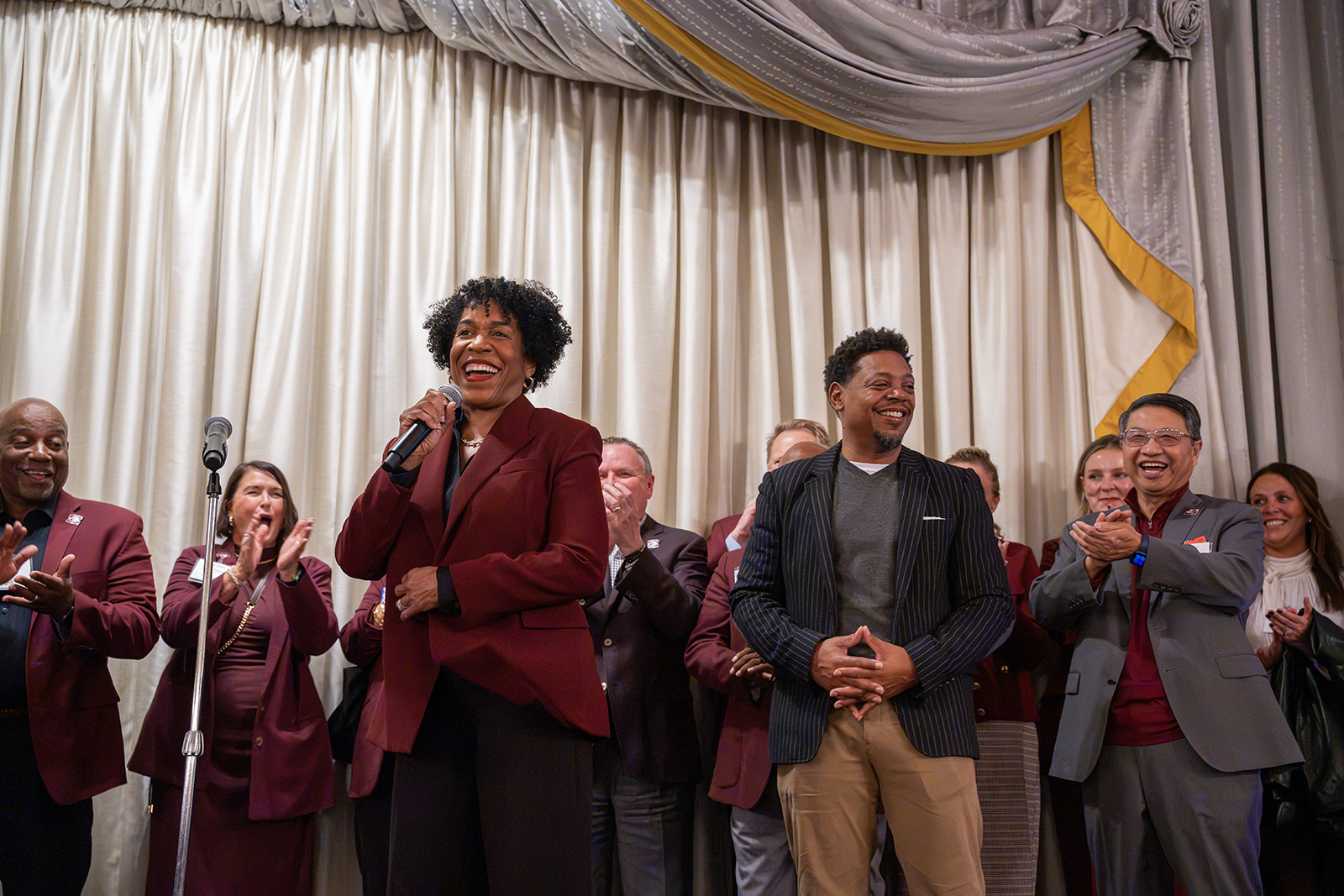
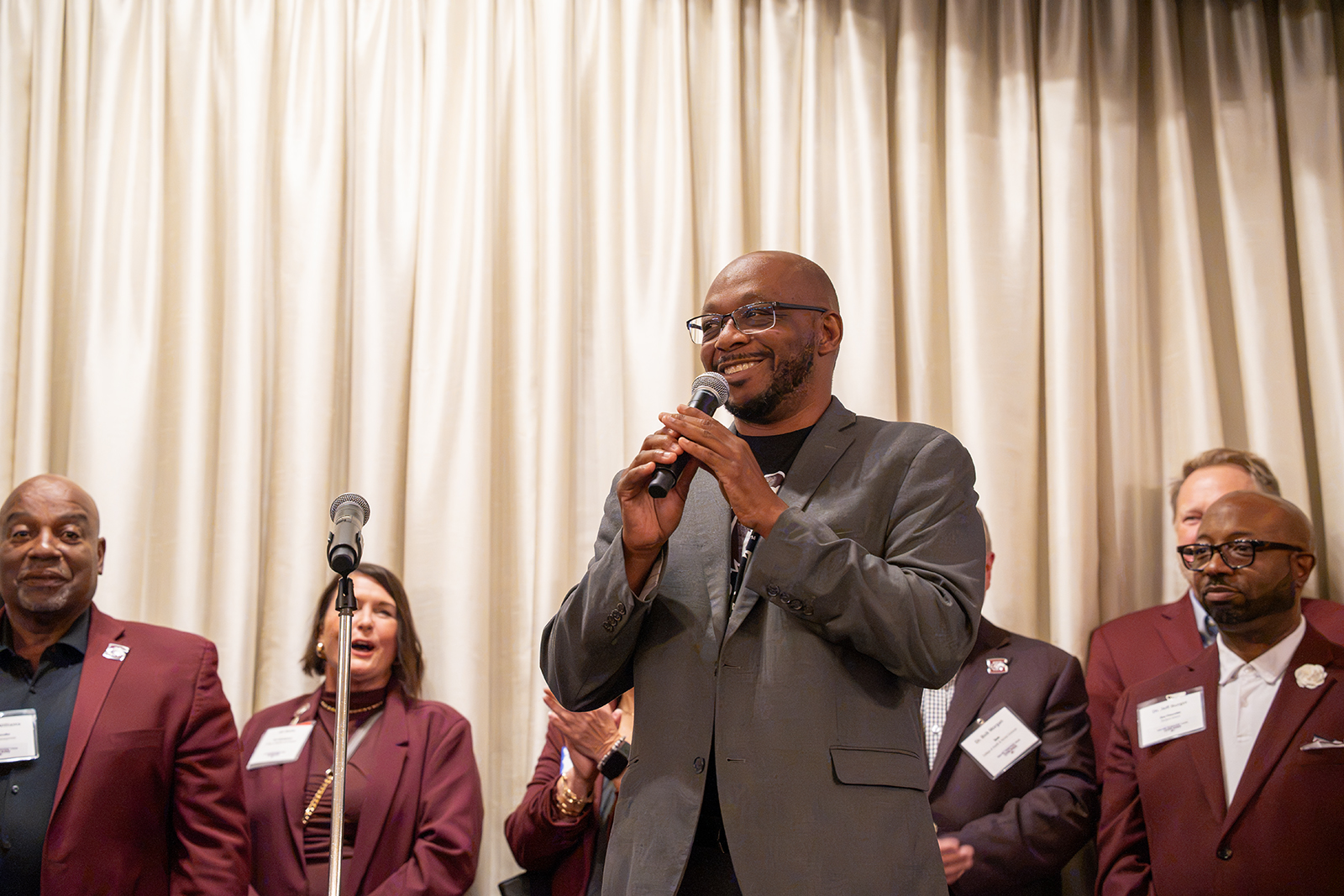
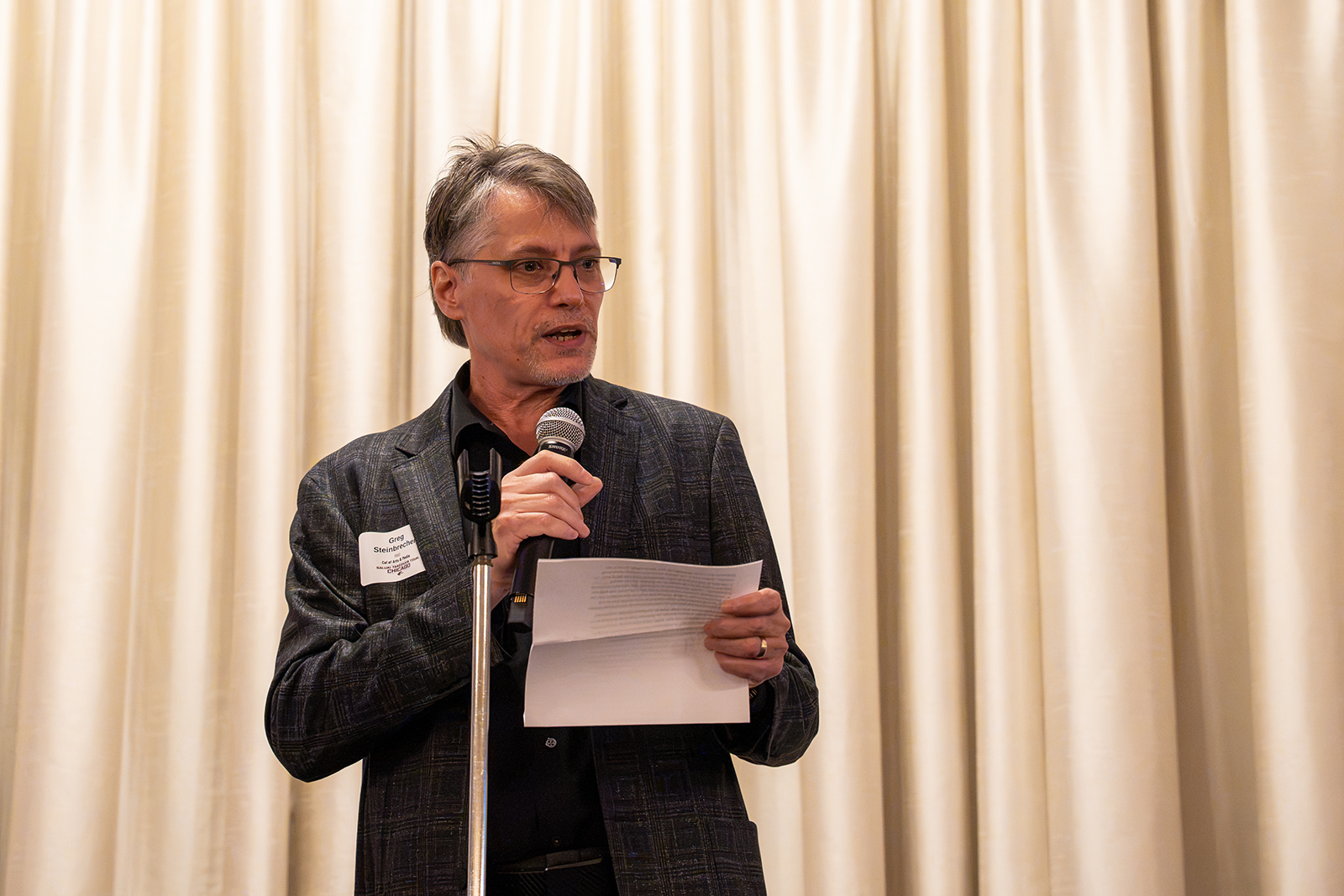
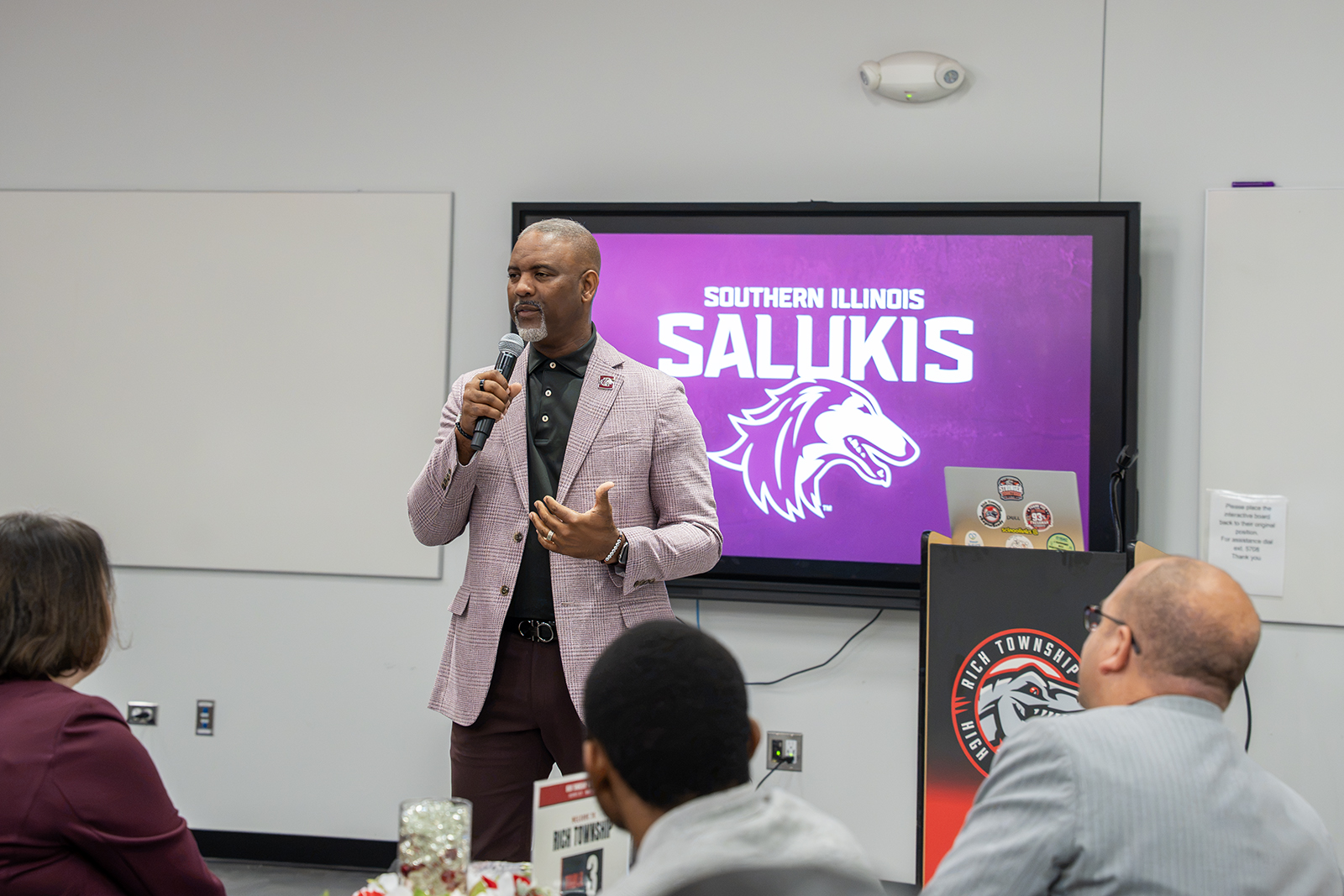
 Shon Yates and his wife, Alexis Yates, have committed $1 million to expand opportunities for engineering students at Southern Illinois University Carbondale, establishing the Shon and Alexis Yates Center for Access and Advancement in Engineering within the university’s